

You want a discreet, modern way to straighten teeth in Orlando without months of metal brackets and wires. Invisalign offers clear, removable aligners that treat many alignment issues while fitting smoothly into your daily life.
They explain how aligners work, compare local Invisalign options, and help determine if someone qualifies for clear aligners. The article also covers benefits beyond straight teeth, selecting a trusted Orlando provider, costs and payment choices, and practical tips to keep treatment on track.
Expect clear guidance on what to expect during and after treatment, plus steps to get started and common questions answered. The goal is to make the process feel manageable and to encourage scheduling a consultation with a local dental professional.
Understanding How Invisalign Works
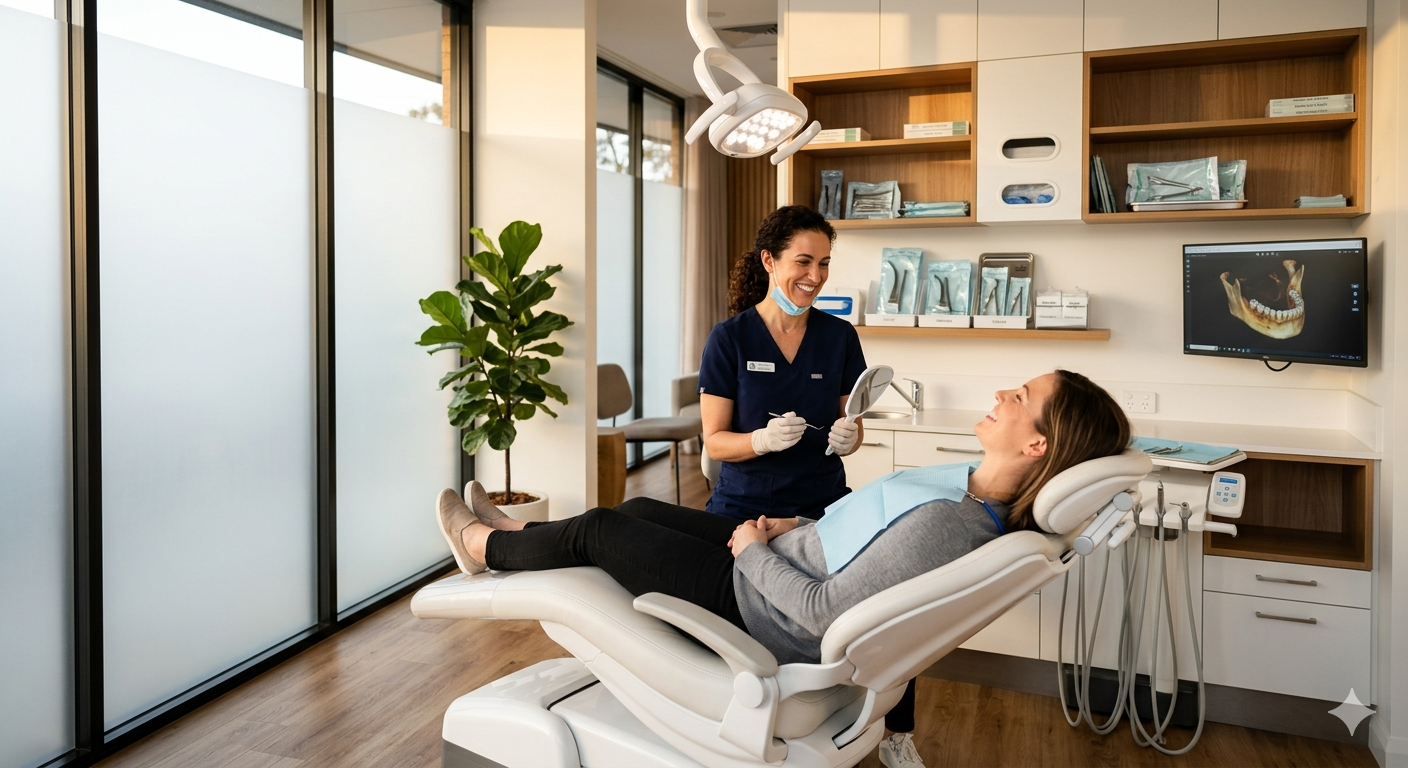
Invisalign uses a series of clear, removable aligners that gradually move teeth to a desired position. The process combines 3D digital planning, custom plastic trays, and regular monitoring to achieve predictable tooth movement with less visible hardware.
Clear Aligner Technology Explained
Invisalign aligners are made from a patented, medical-grade thermoplastic called SmartTrack. Each aligner exerts controlled forces on specific teeth; those forces shift roots and crowns through the periodontal ligament, allowing bone to remodel as teeth move.
The practice scans the patient’s mouth with an intraoral scanner to create a precise 3D model. Clinicians use ClinCheck software to map each tooth’s planned movement, then manufacture a sequential set of aligners that correspond to those steps.
Attachments—small tooth-colored bumps bonded to enamel—can be added to increase grip or leverage for rotation and extrusion. Aligners stay virtually invisible and are removable for eating and oral hygiene, improving comfort compared with fixed braces.
What to Expect During Treatment
The initial visit includes a clinical exam, digital scans or impressions, and photographs. The dentist or orthodontist reviews the 3D treatment plan with the patient, showing predicted tooth positions and estimated duration before any aligners are made.
Patients wear aligners about 20–22 hours per day, removing them only to eat, drink anything but water, and to brush and floss. Each set is typically worn for 1–2 weeks before switching to the next, and periodic in-office or teledentistry checkups ensure movement follows the plan.
Mild soreness or pressure is common for 1–3 days after changing aligners; over-the-counter pain relievers and soft foods usually manage discomfort. Compliance is critical: skipping wear time or losing aligners can delay treatment and increase costs.
Typical Timeline and Steps
Treatment length depends on complexity: minor corrections often finish in 3–6 months; moderate to complex cases run 12–18 months or longer. Average adult treatment in many Orlando practices is around 9–12 months for typical crowding or spacing.
Standard steps include:
- Consultation and records (scan, photos, X-rays)
- Digital treatment planning and approval of ClinCheck
- Fabrication and delivery of the first aligners with instructions
- Regular progress checks every 6–10 weeks or via remote monitoring
- Refinements if teeth need additional movement after the initial series
- Retention using clear retainers or bonded retainers to prevent relapse
Following provider instructions and attending scheduled visits helps maintain the planned timeline and yields the best long-term results.
Comparing Invisalign Choices in Orlando
Patients should weigh treatment length, cost, comfort, and the provider’s experience when choosing between Invisalign options. Local factors like specialist availability, financing, and follow-up visit schedules influence which plan fits best.
Traditional Invisalign Versus Newer Options
Traditional Invisalign treats a wide range of bite and alignment issues using a full sequence of custom aligners, typically changed every 1–2 weeks. Providers in Orlando use digital scans, 3D treatment planning, and periodic reviews; more complex cases often need this full, staged approach for predictable tooth movement.
Newer options include manufacturer-updated materials (e.g., SmartTrack) and practice-specific protocols (accelerated aligner changes, combination treatments with attachments or interproximal reduction). These can shorten treatment or improve comfort, but results depend on clinician skill and case selection. Patients should compare estimated treatment time, number of aligners, and how the plan handles rotations, bite corrections, and anchorage needs.
Invisalign Express and Lite Treatments
Invisalign Express (typically up to 5–10 aligners) and Lite (about 10–20 aligners) target minor crowding, spacing, or relapse cases. Orlando dentists use these shorter programs for cosmetic tweaks or fast improvements before an event. They cost less and require fewer office visits, which appeals to budget- and time-conscious patients.
Limitations include reduced ability to correct significant bite issues or large tooth movements. Clinicians often screen with a full exam and digital simulation to confirm suitability. Patients should ask for the expected number of aligners, predicted outcome, and what happens if more movement is needed mid-treatment.
Tailoring Your Plan for Individual Needs
Customization starts with a comprehensive exam: intraoral scans, X-rays, and bite analysis establish whether Invisalign alone suffices or if auxiliaries (attachments, elastics) are needed. Providers in Orlando may offer hybrid approaches—aligners plus limited orthodontic appliances—to expand treatable cases without braces.
Patients with prior orthodontics, missing teeth, or TMJ concerns benefit from a specialist consult. Ask about the provider’s Invisalign case volume, before-and-after photos of similar cases, and follow-up schedules. Clear communication about expectations, compliance (22+ hours/day), and potential additional costs ensures a plan that matches the patient’s goals and lifestyle.
Candidacy for Clear Aligners
Clear aligners work best when teeth movement needs are predictable, patient commitment is strong, and oral health is stable. Assessment focuses on bite issues, gum and bone health, and the patient’s ability to wear aligners for at least 20–22 hours daily.
Who Makes a Good Candidate
Ideal candidates have mild to moderate crowding, spacing, or bite issues such as single-tooth rotations, mild overbite, underbite, or crossbite. Patients with severe skeletal discrepancies, large vertical problems, or very tipped molars often need braces or surgery instead.
Healthy gums and adequate jawbone support matter. Active gum disease, untreated cavities, or missing teeth should be addressed before starting aligner therapy. Adults with restorations like crowns can still qualify if the dentist plans attachments or adjustments.
Patient behavior plays a big role. Candidates must commit to consistent wear, follow-up visits, and good oral hygiene. Smokers or people who frequently misplace trays can expect longer treatment or reduced predictability.
Suitability for Teens and Adults
Teen treatment often includes a compliance indicator and, when necessary, eruption monitoring for remaining baby teeth. Orthodontists evaluate growth; teens nearing the end of facial growth achieve results similar to adults without the need for surgical options.
Adults commonly choose aligners for aesthetic and lifestyle reasons. Treatment can integrate with restorative plans—veneers, implants, or crown preparations—to align teeth for better final outcomes. Bone density and gum recession are checked more closely in older adults.
Both teens and adults require realistic expectations. Complex tooth movements (large rotations, vertical control) may need auxiliaries or hybrid treatment combining fixed appliances and aligners. The clinician will discuss timelines, potential refinements, and retainer protocols before starting.
Benefits Beyond Straightening Teeth
Patients gain more than alignment; they experience better oral health, easier daily care, and a confidence boost from a more attractive smile. These improvements affect eating, speaking, social interactions, and long-term dental stability.
Boosting Confidence with a Beautiful Smile
A straighter smile often changes how people present themselves. Many Orlando patients report feeling more willing to smile in photos, speak during meetings, and attend social events after completing Invisalign treatment.
Invisalign’s nearly invisible trays help patients avoid the self-consciousness that metal braces can cause. Clear aligners let adults and teens pursue treatment without a dramatic change in appearance, which matters for jobs, school, and dating.
Dentists also note quicker social benefits: patients tend to practice better oral hygiene and follow retention plans when they feel proud of their progress. That ongoing care helps the smile stay attractive and boosts lasting confidence.
Improved Oral Health Outcomes
Aligning teeth reduces areas where plaque and food trap, lowering risk of cavities and gum inflammation. Crowded or rotated teeth create tight spaces that are hard to clean; straightening opens those gaps to allow effective brushing and flossing.
Proper bite alignment from Invisalign can also reduce abnormal wear on enamel and relieve stress on the jaw joints. When teeth meet evenly, chewing distributes force correctly, decreasing the chance of chipping and temporomandibular pain.
Orthodontists in Orlando often coordinate Invisalign with periodontal care for patients who have gum concerns. This combined approach improves tissue health and supports long-term retention strategies like bonded retainers or nighttime trays.
Lifestyle Advantages Over Braces
Invisalign trays are removable, so patients can eat without restrictions and maintain normal oral hygiene. They simply take out the aligners for meals and brush and floss as usual afterward, avoiding trapped food and diet limitations common with fixed braces.
Aligners produce fewer emergency dental visits. No broken brackets or poking wires means less time spent in the dental chair. For busy professionals and active teens, that reliability reduces disruption to school, work, and extracurriculars.
Travel and appearance considerations also favor Invisalign. Clear trays fit discreetly at presentations, weddings, or public-facing jobs. Many Orlando providers offer digital scanning and remote monitoring, minimizing in-office appointments while keeping treatment on track.
Choosing the Right Dental Provider in Orlando
Finding a provider who blends technical skill with a comfortable, modern office makes treatment smoother and more predictable. Patients should focus on experience with Invisalign cases, clear communication about costs and timelines, and easy access to follow-up care.
What to Look for in an Invisalign Dentist
Check formal credentials first: look for a dentist or orthodontist with Invisalign certification and at least several years of clear aligner experience. Prefer providers who publish case photos or videos showing before-and-after results for smiles similar to the patient’s concerns.
Evaluate clinical tools and office setup. A practice that uses digital scanners, 3D treatment planning (ClinCheck or equivalent), and in-office imaging reduces guesswork and shortens appointments. Ask whether the doctor personally oversees the treatment plan rather than delegating final decisions to staff.
Assess patient experience details. Confirm typical treatment length, frequency of check-ins, and policies for lost or broken aligners. Read recent patient reviews about comfort management, appointment punctuality, and how well staff explain costs and insurance. Availability for emergency contacts or quick adjustments matters, particularly for busy Orlando schedules.
Importance of Personalized Consultations
A personalized consultation should include a full oral exam, digital impressions, and a projected treatment plan with timeline and costs. The provider should show the simulated tooth movement and explain how attachments, interproximal reduction (IPR), or elastics might be used to meet specific goals.
Look for clear communication about alternatives and realistic outcomes. The dentist should discuss potential limits—like severe bite discrepancies that may need orthodontic referral—and set measurable milestones for progress. This builds trust and reduces surprises during treatment.
Comfort and follow-up care must be spelled out. Ask how the practice handles soreness, aligner fitting issues, and mid-treatment refinements. Verify post-treatment retention plans and whether the clinic offers retainer delivery and monitoring locally to maintain results after active alignment.
Cost and Payment Options for Invisalign
Costs depend on treatment complexity, the number of aligners, and provider experience. Typical out-of-pocket ranges, insurance contributions, and financing choices determine what patients actually pay.
Understanding Treatment Costs
In Orlando, Invisalign treatment commonly ranges from $3,500 to $7,500. Mild cases that need fewer aligners often sit near the lower end, while comprehensive corrections requiring attachments, refinements, or longer wear push costs higher. Initial consultation fees may be waived by some practices; confirm before booking.
Providers may include certain services in the quoted price: digital scans, retainers at completion, and follow-up visits. Others bill separately for refinements, emergency visits, or replacement aligners. Ask for an itemized estimate that lists: treatment fee, diagnostic records, retainer cost, and any possible lab or refinement charges.
Compare experience level too. Board-certified orthodontists may charge more than general dentists who offer Invisalign. Look for transparent pricing and a clear timeline for payments and expected additional fees.
Insurance Coverage and Flexible Financing
Many dental plans cover orthodontic treatment partially; typical allowance is $1,000–$2,500 toward orthodontics, often with lifetime limits and waiting periods. Coverage varies by plan and may exclude adult orthodontics or require preauthorization. Patients should contact their insurer for exact benefits and request a pre-treatment estimate from the provider.
Most Orlando practices offer flexible payment options: in-house monthly plans, third-party financing (CareCredit, LendingClub), or debit/credit card payments. Typical monthly payments range from $100–$300 depending on down payment and term length. Ask about interest rates, late fees, and whether promotional 0% APR plans apply.
Request a written payment plan that specifies down payment, monthly amount, payment schedule, and refund policy if treatment changes. Many offices will run an insurance benefits check and simulate monthly payment scenarios during the consultation to help patients decide.
Tips for Successful Invisalign Treatment
Consistent wear, careful cleaning, and clear communication with the provider lead to predictable results. Small daily habits — like timing aligner removal and tracking appointments — make the biggest difference.
Caring for Your Aligners
Keep aligners clear and odor-free by rinsing them under cool water every time they are removed. Brush them gently with a soft toothbrush and a non-abrasive, clear soap; avoid toothpaste and hot water, which can scratch or warp the plastic.
Store aligners in their case whenever they are out of the mouth to reduce loss and bacterial exposure. Do not wrap them in napkins or leave them exposed on counters.
Soak aligners at least once a week with an Invisalign cleaning crystal, denture cleaner, or a 50:50 mix of white vinegar and water for 15–30 minutes. Rinse thoroughly afterward before reinserting. If staining or persistent odor appears, contact the clinic for inspection and possible replacement.
Avoid eating or drinking anything besides water while wearing aligners. Sugary and acidic beverages trapped against teeth can cause decay and discoloration. If aligners feel rough or cracked, stop using that set and call the orthodontist to prevent irritation or misalignment.
Staying on Track with Your Plan
Wear aligners 22 hours per day unless the provider specifies otherwise; use a timer or phone reminders to track wear time. Changing trays on schedule is essential: switch to the next set at the provider’s recommended interval, usually every 1–2 weeks, unless directed differently after checkups.
Use the chewies provided to seat trays fully for several minutes after insertion; proper fit prevents unwanted tooth movement. Keep a calendar or app log of tray changes, appointments, and any issues to show during visits.
Attend every scheduled checkup so the clinician can verify progress and make adjustments. Report pain lasting more than a few days, loose attachments, or a tray that doesn’t fit; early fixes avoid treatment delays. For travel or busy weeks, carry extra cases and a small oral hygiene kit to maintain routine without interruption.
What to Expect After Treatment
Most patients notice immediate changes in alignment and smile confidence, but final results continue to settle over weeks. They often feel minimal soreness for a few days after the last aligner change or retainer fitting.
A retainer becomes the most important step after Invisalign. Patients typically receive a clear removable retainer or a bonded wire. Wearing it as prescribed—usually nightly at first—prevents teeth from shifting back.
Follow-up visits usually occur once or twice in the first year to check retention and oral health. These quick appointments let the dentist monitor stability and recommend adjustments if minor movement happens.
Oral hygiene remains essential. Patients should brush and floss daily and clean removable retainers to avoid stains and bacteria buildup. Simple care preserves both teeth and the longevity of retainers.
Minor tooth sensitivity or gum tenderness can appear but generally resolves within a few weeks. Over-the-counter pain relievers and a soft-bristled toothbrush help manage discomfort.
Insurance and financing details may affect retainer replacement timing. Many practices offer replacement options for lost or damaged retainers, so patients should ask about costs and turnaround times.
If patients notice significant shifting, persistent pain, or retainer breakage, they should contact their provider promptly. Early follow-up often prevents small issues from becoming larger problems.
Encourage readers to schedule a retention review or ask questions at their next appointment to keep their new smile stable and comfortable.
Getting Started with Your Smile Journey
The first step is a consultation with a local Invisalign provider in Orlando. They assess alignment needs, discuss goals, and explain options like traditional Invisalign, Teen, or faster express plans.
A 3D scan or digital impressions create a precise treatment map. This technology shows expected results and timelines, helping patients visualize progress before treatment begins.
Providers present a personalized plan with cost, estimated duration, and number of aligner sets. Insurance, financing, and in-office vs. remote monitoring options are discussed to fit schedules and budgets.
Patients receive a starter kit and instructions on wear time, cleaning, and tracking progress. Regular check-ins—either in-person or via telehealth—ensure the plan stays on track and adjustments are made when needed.
Common concerns like mild discomfort or speech changes are addressed proactively. Simple tips for relief, wearing aligners consistently, and maintaining oral hygiene keep treatment comfortable and effective.
A friendly exam and clear treatment roadmap make beginning less intimidating. They encourage readers to schedule a consultation to ask questions and review their personalized plan.
Frequently Asked Questions
This section answers common cost, provider, and treatment-order questions for clear aligners in Orlando. It focuses on typical prices, how to choose between providers, and practical steps for combined cosmetic or TMJ-related care.
How much should I expect to pay for clear aligners in Orlando, and what factors affect the total cost?
Typical in-office clear aligner treatment in Orlando ranges from about $2,500 to $6,000 depending on case complexity. Simple minor corrections often fall near the lower end while full-mouth alignment or bite correction pushes toward the higher end.
Factors that change price include the provider’s experience, whether an orthodontist or general dentist oversees the case, the need for attachments or auxiliaries, frequency of in-person visits, and whether additional appliances (elastics, IPR, retainers) are required. Insurance, CareCredit, or payment plans often reduce out-of-pocket cost; confirm what’s included in any estimate.
Is a quote around $3,000 for clear aligner treatment typically considered a good deal, or a red flag?
A $3,000 quote sits within a common mid-range and can be reasonable for many cases, especially for limited-scope treatment. It is not automatically a red flag.
Check what the price includes: diagnostic records (X-rays, scans), check-up visits, refinements, and final retainers. If the quote excludes critical services or limits follow-up care, ask for a full written breakdown before deciding.
What’s the difference between getting clear aligners through a dentist versus an orthodontist, and how do I choose?
Orthodontists complete additional specialized training focused solely on tooth movement and complex bite issues. Dentists can provide aligner treatment for mild-to-moderate alignment needs and often offer more affordable or convenient local care.
Choose an orthodontist for significant bite correction, jaw alignment, or previous treatment relapse. Pick a dentist for straightforward cosmetic alignment if they have documented aligner experience and clear referral pathways for complex cases.
How do I find a trusted local provider, and what should I look for in reviews before booking a consultation?
Start with credential checks: verify state licensing, look for board-certified orthodontists, and confirm memberships in professional organizations. Many practices post before-and-after galleries and case examples that show real results.
In reviews, look for comments about clear communication, accurate timelines, post-treatment support, and how the practice handled complications. Pay attention to details about follow-up visits, billing transparency, and whether patients felt informed about risks and expected outcomes.
Can clear aligners help with jaw discomfort or TMJ symptoms, or could they make it worse?
Aligners can help some patients when jaw pain stems from bite misalignment that aligners can correct. They can improve comfort if the primary cause is dental occlusion and the treatment plan addresses that specific issue.
However, aligners can sometimes worsen symptoms if the plan doesn’t account for TMJ mechanics or if rapid tooth movement increases joint strain. Patients with TMJ pain should get a comprehensive evaluation by an orthodontist or TMJ specialist before starting aligner therapy.
If I’m also considering veneers or other cosmetic dentistry, should I straighten my teeth first and what’s the best order of treatment?
Straightening teeth first is usually best because aligners position teeth to optimal cosmetic and functional alignment before irreversible work. Completing aligner treatment first often reduces the amount of tooth preparation required for veneers.
Coordinate treatment planning between the aligner provider and the cosmetic dentist. They should agree on final tooth positions, margin placement, and timing so veneers or bonding match the new alignment and minimize rework.