

When a tooth suddenly breaks, throbs, or swells, you need clear steps and quick care in Orlando — not a list of options. If you face severe pain, uncontrolled bleeding, a knocked-out tooth, or signs of spreading infection, seek emergency dental care in Orlando immediately to preserve function and prevent complications.
They will explain how to recognize true emergencies versus issues that can wait, outline typical same-day treatments available in Orlando practices, and describe what to expect during an emergency visit so you feel prepared. The article also covers after-hours options, modern techniques that reduce discomfort, simple prevention tips to avoid future emergencies, and how to choose the right local emergency dentist for your needs.
Recognizing Dental Emergencies
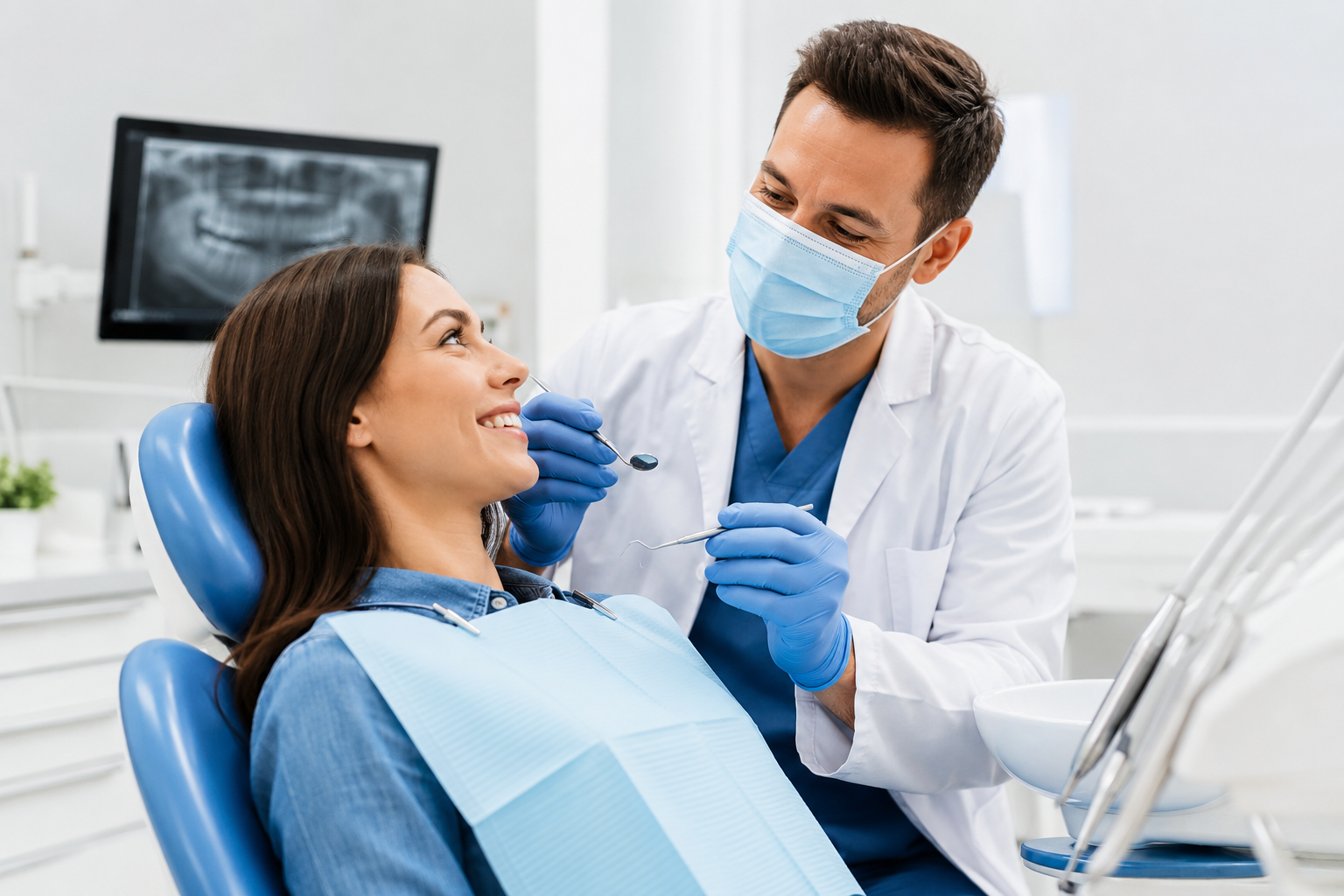
This section highlights clear signs, urgent timelines, and common misconceptions so readers can decide whether to seek immediate care or schedule a prompt appointment. It focuses on observable symptoms, actions to take, and what does — and does not — qualify as an emergency.
Common Signs You Need Urgent Dental Help
Severe, unrelenting tooth pain that prevents sleep or normal eating often signals infection or nerve damage and needs prompt evaluation. Swelling of the face or jaw, especially when accompanied by fever or trouble breathing or swallowing, can indicate a spreading infection that requires immediate treatment.
A knocked-out tooth (avulsed tooth) should be handled within 1 hour for best chance of reimplantation; keep the tooth in milk or the patient’s saliva and see a dentist right away. Heavy, uncontrollable bleeding after trauma or extraction that soaks through gauze in 20–30 minutes requires urgent attention.
Loose permanent teeth after trauma, a tooth pushed out of position (luxation), or exposed tooth pulp (bright red tissue or intense sensitivity to air/cold) are also urgent. Persistent bad taste, foul odor, or drainage near a tooth suggests an abscess that needs quick care.
When to Call a Dentist Right Away
Call a dentist immediately if a child or adult has a knocked-out permanent tooth; time-sensitive reinsertion improves outcomes. Contact the dental office or emergency number when there is facial swelling with fever because an infection may be spreading into soft tissue or airway spaces.
Seek same-day care for severe uncontrolled pain not relieved by OTC analgesics, or for bleeding that won’t stop after applying pressure for 20–30 minutes. If trauma causes jaw misalignment, difficulty closing the mouth, or numbness in the lip/chin, arrange urgent assessment—these can signal fractures or nerve injury.
For any signs of systemic infection—fever over 100.4°F, increasing swelling, difficulty breathing or swallowing—call emergency services if immediate danger exists, then notify the dental team. When in doubt, phone the dentist; many practices offer after-hours triage to determine next steps.
Myths About Dental Emergencies
Myth: “Bleeding after extraction always means a problem.” Brief oozing in the first 24 hours is normal; firm pressure and elevation reduce bleeding. Persistent, heavy bleeding that soaks gauze despite pressure is the concerning situation that needs attention.
Myth: “A toothache can wait for weeks.” Untreated tooth infections can worsen quickly and spread to surrounding tissue or bone; early treatment preserves tooth structure and reduces need for complex care. Scheduling same-day or next-day care often avoids emergency room visits.
Myth: “A baby tooth knocked out doesn’t matter.” While primary teeth aren’t reimplanted, damage to a child’s mouth can affect developing permanent teeth and bite; consult a dentist or pediatric dentist promptly. Myth: “Antibiotics fix every dental emergency.” Antibiotics help infections but rarely solve mechanical problems like fractures or displaced teeth; definitive dental treatment is usually required.
Typical Emergency Treatments in Orlando
Orlando emergency dental clinics focus on rapid pain relief, infection control, and restoring function. Treatments range from simple prescriptions and temporary repairs to urgent surgical procedures when needed.
Managing Toothaches and Sensitivity
Clinicians first determine whether pain arises from decay, a cracked tooth, exposed dentin, or an abscess. They take a brief history, perform an exam, and often use bite tests and a periapical X-ray to locate the problem.
Immediate care typically includes local anesthesia for severe pain, short courses of analgesics and anti-inflammatories, and targeted antibiotics if signs of spreading infection exist. For sensitivity caused by gum recession or enamel loss, dentists apply desensitizing agents, fluoride varnish, or bonding to seal the exposed areas.
If decay or pulp involvement is confirmed, a temporary filling or pulpotomy may be placed same-day, with definitive treatment—root canal therapy or a crown—scheduled within days. Patient comfort and clear follow‑up instructions are prioritized.
Solutions for Broken or Knocked-Out Teeth
For a fractured tooth, the approach depends on depth and location. Minor enamel chips receive smoothing and composite bonding to restore shape and comfort. When fractures extend into dentin or the pulp, urgent root canal therapy plus a protective crown often follows.
A completely avulsed (knocked-out) permanent tooth requires immediate action: handle by the crown, rinse briefly if dirty, and attempt replantation within 60 minutes when possible. If immediate replantation isn’t feasible, store the tooth in milk, saline, or cold saliva and see an emergency dentist right away.
Children’s primary teeth are treated differently; dentists avoid replanting baby teeth to prevent damage to developing permanent teeth. Follow-up care includes splinting for stabilization, antibiotics when indicated, and tetanus updates if the injury involved contaminated wounds.
Handling Swelling and Infections
Facial or intraoral swelling often signals a spreading dental infection that can become serious quickly. Clinicians assess airway risk, fever, and lymph node involvement, then order dental X-rays or CBCT as needed to pinpoint the abscess.
Treatment prioritizes infection control: incision and drainage for fluctuant abscesses, extraction or root canal of the offending tooth, and a prescribed course of antibiotics tailored to oral pathogens. Pain control with NSAIDs and acetaminophen accompanies procedures.
Patients receive clear home-care instructions: warm saline rinses, hydration, and signs that require immediate return (increasing swelling, fever, difficulty breathing or swallowing). Follow-up appointments confirm resolution and plan definitive restorative care.
What to Expect During Your Emergency Visit
Patients can expect prompt pain control, focused exam steps, and clear explanations of diagnostic findings and treatment choices. The team will prioritize comfort, use targeted imaging, and outline immediate and follow-up care.
Immediate Relief and Comfort
When a patient arrives, staff will triage the problem by asking about pain level, swelling, bleeding, and medical history. They typically offer ibuprofen if appropriate, a local anesthetic for tooth pain, or a short course of antibiotics when infection and systemic signs exist.
Dental clinics often provide nitrous oxide or oral sedatives for severe anxiety; the clinician discusses risks and obtains consent first. For bleeding injuries, pressure, hemostatic agents, or sutures control the site quickly. Comfort measures include cold packs, topical anesthetic gels, and a quiet recovery area to monitor vitals and pain response.
Diagnostic Tools Dentists Use
The dentist begins with a focused clinical exam: palpation of the jaw, percussion of teeth, bite tests, and inspection of soft tissues. These manual checks narrow down causes such as cracked teeth, abscesses, or displaced restorations.
Imaging commonly includes periapical X-rays for individual teeth and panoramic X-rays for broader views. Cone beam CT (CBCT) may be used for complex trauma or to locate root fragments. Vitality tests, periodontal probing, and digital intraoral photos document findings and guide immediate interventions.
How Treatment Decisions Are Made
Treatment choices follow a three-step priority: stop pain/infection, stabilize the problem, then plan definitive care. For example, a tooth abscess might receive drainage and antibiotics now, with root canal therapy scheduled soon after pain subsides.
Dentists weigh tooth prognosis, patient medical history, time available, and cost. When multiple options exist—extraction versus root canal and crown—the clinician explains steps, success rates, and recovery expectations. If specialist care is needed, the office arranges referrals and provides interim care to maintain comfort.
Patients receive written post-visit instructions and a clear follow-up plan, including emergency contact information. The team encourages questions and confirms understanding before the patient leaves.
How Orlando Dental Offices Handle After-Hours Emergencies
Orlando dental offices provide clear contact paths and practical alternatives for urgent tooth pain, knocked-out teeth, severe swelling, and bleeding. They prioritize quick assessment, pain control, and routing to the right provider—whether the patient reaches the on-call dentist, an urgent dental clinic, or the emergency department.
Contacting Emergency Dental Services
Many Orlando practices offer an on-call number that redirects to a dentist or triage nurse after hours. Call the office’s emergency line first; staff will ask about symptoms, pain level, and recent events to determine urgency and advise next steps.
If the office cannot provide immediate treatment, they typically schedule the earliest available appointment the next morning and give interim care instructions. These may include how to manage bleeding, apply cold compresses, take recommended OTC pain relievers, or preserve an avulsed tooth (place it in milk or saliva, avoid touching the root).
Some practices use telehealth video consults for visual triage. Video lets the dentist see the injury, recommend immediate measures, and decide whether same-night treatment or ER referral is necessary. Keep dental insurance and medical history ready to speed triage and authorization.
Options When Your Regular Dentist Is Unavailable
If the regular dentist cannot see the patient, Orlando has several alternatives: dedicated emergency dental clinics, hospital emergency departments, and community urgent care centers with dental capabilities. Choose based on symptom severity and whether specialized dental tools are needed.
For severe pain, uncontrollable bleeding, swelling affecting breathing, or a knocked-out permanent tooth within an hour, head to the nearest hospital ER or call 911 for airway risks. For moderate issues—broken crowns, persistent pain, localized infection—an urgent dental clinic or another local dentist on a referral list can often provide same-day care.
Patients should keep a list of nearby after-hours clinics, the nearest ER, and their dentist’s emergency policy. Having recent X-rays, a medication list, and insurance information speeds treatment and improves outcomes.
Modern Care for a Comfortable Experience
This practice combines up-to-date pain control and thoughtful comfort measures so patients receive fast, effective treatment without unnecessary stress. Technology, proven medications, and staff training work together to reduce pain and anxiety during emergency visits.
Pain Management and Anesthesia
They use a tiered approach to pain control that starts with a rapid assessment of pain intensity and the likely cause. For mild pain, over-the-counter NSAIDs and acetaminophen are recommended with dosing guidance based on age and medical history.
When prescription-strength relief is needed, short courses of opioids are reserved for severe post-procedural pain and paired with non-opioid analgesics to limit side effects. Local anesthetics like lidocaine or articaine are administered with buffered solutions to decrease injection sting and speed onset.
For procedures expected to be longer or more invasive, nitrous oxide (laughing gas) provides conscious sedation while keeping patients responsive and breathing normally. In select cases, they offer oral sedatives (e.g., low-dose benzodiazepines) or IV sedation supervised by trained personnel; medical history and consent are documented before use.
All anesthesia choices include clear pre- and post-care instructions, allergy checks, and monitoring during recovery to ensure safe, predictable pain control.
Patient Comfort Techniques
The office optimizes the physical environment to soothe anxious patients: plush chairs, warm blankets, and noise-cancelling headphones with calming music are routinely available. Staff are trained in empathy-focused communication, using step-by-step explanations and frequent check-ins to reduce fear.
They employ quick, minimally invasive techniques whenever possible, such as atraumatic extractions and using high-speed suction and isolation to reduce procedure time and gag reflex. For children or very anxious adults, distraction methods—tablet-guided games, visual screens, or guided breathing—help maintain cooperation.
Post-treatment comfort includes ice/heat instructions, clear prescriptions or OTC plans, and a follow-up call within 24–48 hours to assess pain control and healing progress. Patients receive written aftercare and direct contact information for questions, which improves outcomes and peace of mind.
Preventing Dental Emergencies in Everyday Life
Practical daily choices greatly reduce the chance of sudden tooth pain, broken teeth, and other urgent problems. Small routines at home and the right protective gear during activity prevent many common emergencies.
Oral Hygiene Habits at Home
They should brush twice daily with a soft-bristled brush and fluoride toothpaste for two minutes each time to remove plaque that causes decay and infection. Floss once daily, using a gentle up-and-down motion to clean between teeth where cavities and gum disease often start.
Rinsing with an alcohol-free fluoride mouthwash after brushing adds protection for areas a brush misses. Replace a toothbrush every three months or sooner if bristles splay; worn bristles clean poorly and can trap bacteria.
Maintain a diet that limits sticky, sugary snacks and acidic drinks; chew sugar-free gum with xylitol after meals to stimulate saliva and neutralize acids. For patients with dry mouth, sip water often and ask the dentist about saliva substitutes or prescription treatments.
Schedule dental checkups and cleanings every six months or as recommended; early detection of small cracks, loose fillings, or cavities prevents emergency visits. Report increased sensitivity, swelling, or a loose crown promptly so the team can treat problems before they become urgent.
Mouthguards and Protective Gear
They should use a custom-fitted mouthguard for contact sports or high-impact activities to prevent tooth fractures, avulsions, and soft-tissue injuries. A dentist-made guard fits precisely, distributes force evenly, and is more durable than one-size-fits-all boil-and-bite options.
For night grinding (bruxism), a professionally fabricated night guard protects enamel and prevents cracked teeth and jaw pain. Over-the-counter guards can work short-term, but a custom appliance tailored to bite patterns minimizes long-term damage.
Children must wear sport-specific helmets and face protection when required; a helmet alone doesn’t protect teeth. Store mouthguards in a ventilated case, rinse after use, and replace them if warped, torn, or after major dental changes such as orthodontic adjustments.
For jobs with vibration or debris risk, consider both a mouthguard and eye protection. They should discuss occupational hazards with their dentist to choose the appropriate materials and design for comfort and consistent use.
Finding the Right Emergency Dentist in Orlando
Patients should look for a dentist who offers 24/7 or extended-hours availability; fast access matters when pain or trauma strikes. Many Orlando clinics list emergency contact numbers on their websites and offer same-day appointments for urgent issues.
Consider qualifications and experience next. Board-certified dentists or those with advanced training in oral surgery or endodontics handle complex emergencies more confidently.
Location and convenience affect recovery. Choose a practice close to home, work, or the major hospitals in Orlando to reduce travel time after an injury.
Read reviews and ask about patient comfort measures. Modern offices often provide sedation options, quiet recovery areas, and clear communication about costs and procedures.
Verify insurance, payment options, and estimated costs before treatment when possible. Knowing coverage for emergency exams, X-rays, root canals, or extractions helps avoid surprises.
Use this quick checklist when choosing an emergency dentist:
- Hours: 24/7 or extended evenings/weekends
- Credentials: board certification or emergency training
- Location: near home or hospital access
- Comfort: sedation and pain-management options
- Transparency: estimates and insurance policies
They should call or message the office for an immediate assessment and directions. A short phone conversation can confirm availability, arrival instructions, and whether to bring X-rays or medical records.
Taking Your Next Steps Toward Relief
They should call an emergency dental office in Orlando as soon as possible when pain, uncontrolled bleeding, or swelling occurs. A quick phone call can secure same-day treatment or instructions to manage the situation until arrival.
If a tooth is knocked out, they should keep it moist — ideally in milk or saline — and bring it to the dentist within an hour. For severe pain, ice packs, over-the-counter pain relievers, and avoiding chewing on the affected side can reduce discomfort temporarily.
Patients may find these options useful when deciding where to go:
- Emergency dental clinic: Offers immediate care for trauma, severe pain, and infections.
- After-hours urgent dental care: Good for nights and weekends.
- Hospital emergency room: Appropriate if breathing, severe swelling, or uncontrolled bleeding occurs.
They should bring a short list of essentials to the appointment: ID, insurance card, list of medications, and any recent dental X-rays if available. Clear communication about symptoms, how long they’ve lasted, and prior dental history helps the clinician choose the right treatment quickly.
Ask about pain management, infection control, and follow-up care before leaving. The dental team will explain next steps, expected recovery, and preventive measures to reduce future emergencies, and they can schedule restorative or specialty appointments if needed.
Frequently Asked Questions
This section answers common concerns about urgent dental problems in Orlando, including walk-in options, night-time pain relief, insurance and payment, same-day appointment speed, same-day extractions, and when to choose the ER versus a dental office.
Do I need an appointment, or can I walk in for urgent dental care right now?
Many Orlando emergency dental clinics accept walk-ins during business hours and reserve slots for same-day urgent visits. Some practices prefer a quick phone call to confirm availability and reduce wait time.
What should I do if I have a severe toothache in the middle of the night?
If pain is intense, swelling is spreading, or breathing/swallowing is affected, go to the nearest hospital emergency room immediately. For severe but localized pain, call an after-hours dental hotline or the local emergency dentist to get advice and arrange the earliest possible appointment.
Can I get emergency dental treatment if I don’t have insurance?
Yes. Most emergency dental offices in Orlando offer self-pay options, payment plans, or sliding-fee arrangements. Ask the clinic about cash discounts, financing, or dental membership plans before treatment to understand costs.
How quickly can an emergency dentist see me for a same-day visit?
Many emergency dentists see patients within a few hours on weekdays and within the same day on weekends, depending on case severity and clinic load. Calling early in the day or choosing a clinic that advertises same-day urgent care improves chances of prompt treatment.
Can you perform an emergency tooth extraction the same day I call?
Yes, if the tooth’s condition and pre-visit assessments allow it, many dentists perform same-day extractions. The dentist will evaluate X-rays, infection status, medical history, and pain level before recommending extraction or a conservative alternative.
Will the emergency room treat an infected tooth, or do I still need a dentist?
The emergency room will treat severe infections that threaten airway, cause systemic symptoms, or involve rapid swelling, often giving antibiotics and pain control. Definitive dental care—drainage, root canal, or extraction—usually requires follow-up with an emergency dentist.