

When a dental emergency strikes, finding quick and reliable care is crucial. Residents of Orlando, FL, have access to emergency dental services designed to handle urgent issues like severe tooth pain, broken teeth, or sudden swelling. Emergency dental care in Orlando offers prompt treatment to relieve pain, prevent infection, and protect your smile from lasting damage.
Many dental offices in Orlando understand that emergencies don’t follow a 9-to-5 schedule. They provide flexible hours and same-day appointments to make sure patients get timely help. Whether it’s a knocked-out tooth from an accident or intense dental discomfort, local specialists focus on comfort and effective solutions.
Knowing where to turn during a dental emergency can ease your stress and improve outcomes. Orlando’s dental professionals combine modern treatment options with a caring approach, ensuring that even urgent care feels supportive and manageable. If dental pain or injury occurs, seeking immediate care is the best step toward feeling better quickly.
Understanding Dental Emergencies
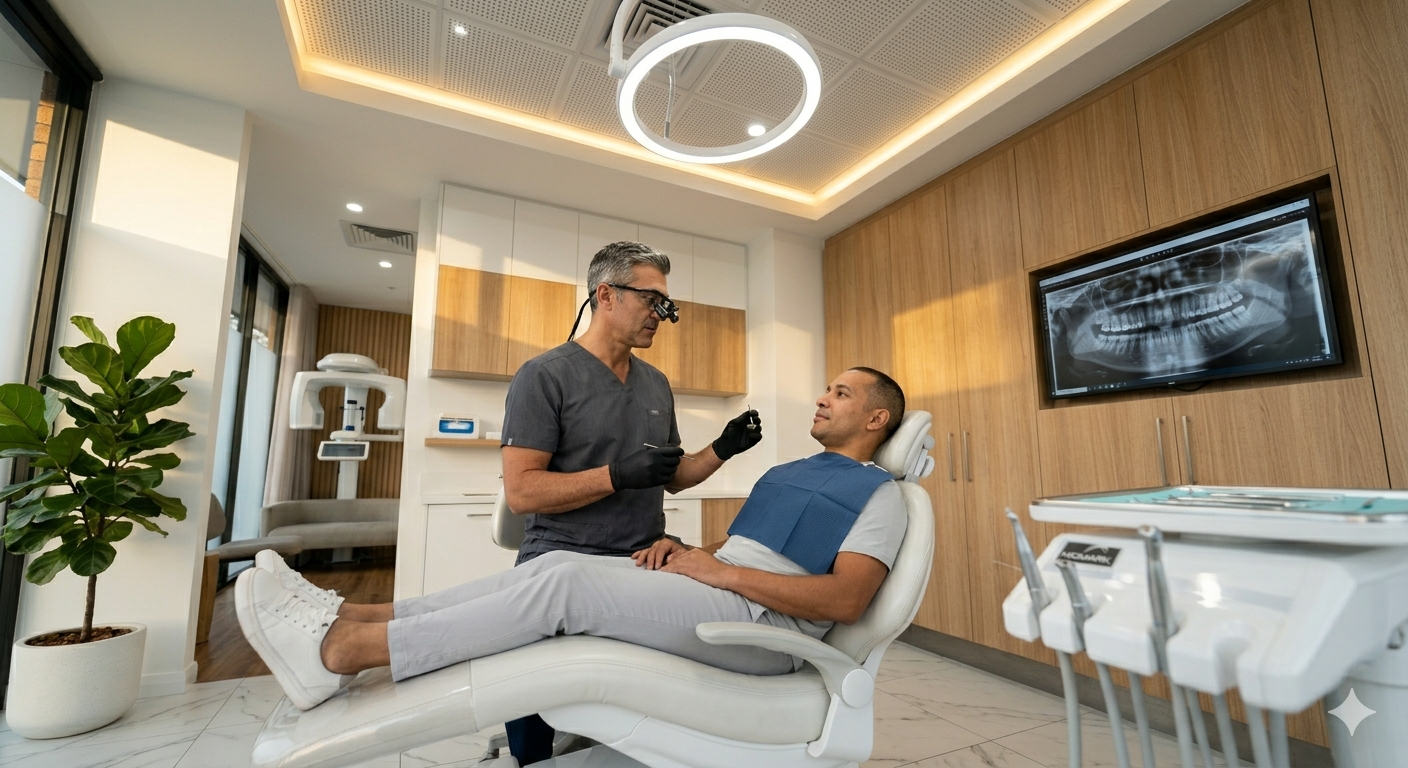
Dental emergencies can stem from a variety of causes, and recognizing the warning signs is crucial for timely care. Ignoring urgent symptoms can lead to complications that prolong healing and increase discomfort.
Common Causes of Urgent Dental Problems
Many dental emergencies arise from accidents or neglect. Tooth fractures often happen during sports or accidental falls. Chewing hard foods can also crack a tooth unexpectedly.
Severe toothaches frequently indicate infection or decay that has reached the tooth’s nerve. Another cause is a knocked-out tooth, which needs immediate attention to increase chances of saving it.
Other factors include abscesses, lost crowns or fillings, and soft tissue injuries inside the mouth. Understanding these triggers helps patients identify when to seek help without delay.
Signs You Need Immediate Dental Attention
Pain that won’t go away or worsens quickly is a clear red flag. Sudden swelling around the face or jaw can mean infection is spreading beyond the tooth.
Bleeding that doesn’t stop after 15 minutes or a tooth that has been completely displaced should be treated as an emergency. Difficulty breathing or swallowing linked to a dental problem requires urgent care.
Also, any severe trauma causing loose teeth, broken jaws, or severe mouth injuries calls for prompt evaluation by a dental professional.
Potential Risks of Delaying Treatment
Putting off emergency dental care often leads to infections worsening or damage becoming permanent. For example, a cracked tooth can develop an abscess if left untreated, causing bone loss.
Delays may result in losing a tooth that could have been saved with quick action. Untreated infections can spread, affecting other areas of the body, which may require more extensive treatment.
Pain and discomfort usually increase without care, impacting daily activities like eating and speaking. Early intervention often means simpler, faster, and more affordable treatment.
What to Expect During an Emergency Dental Visit
When a dental emergency happens, patients can expect a structured process aimed at quick relief and accurate treatment. The visit balances immediate pain control with a clear diagnosis to set the stage for proper care.
Step-by-Step Emergency Appointment Process
The visit usually begins with a prompt check-in where the patient describes their symptoms and how the injury or pain occurred. The dental staff collects medical history and any relevant information to tailor treatment safely.
Next, the dentist performs a focused oral exam, often including X-rays, to identify the problem quickly. This step is crucial to deciding whether urgent treatment or referral to a specialist is needed.
After diagnosis, the dentist discusses treatment options clearly, explaining what will be done during this visit and if follow-up care is necessary. Emergency visits prioritize stabilizing the issue rather than full restoration in most cases.
Pain Management and Comfort Techniques
Managing pain is a priority from the moment the patient arrives. The dentist uses local anesthesia to numb the affected area before any procedure begins.
For severe pain, stronger pain relievers or anti-inflammatory medications may be prescribed. Cold compresses and gentle oral rinses with saltwater are also recommended to reduce swelling and discomfort between visits.
Dental offices often create a calming environment with a friendly approach, helping patients feel at ease. Patient comfort is supported by clear communication and adjusting treatments to individual needs.
How Diagnosis and Immediate Care Are Handled
Diagnosis combines visual examination and imaging tools to pinpoint the source of pain or damage. This may include broken teeth, infections, abscesses, or trauma to gums and surrounding tissue.
Once identified, the dentist performs immediate care to prevent complications. This could involve stopping bleeding, placing temporary fillings, or draining abscesses.
Infections may require antibiotics, while loose teeth might be stabilized temporarily. The goal is to control the problem so the patient can return to normal function and follow up with definitive treatment soon.
Types of Dental Emergencies Treated in Orlando
Emergency dental care in Orlando covers a range of urgent issues that require prompt attention. These include severe tooth pain, trauma to teeth, and problems with existing dental work. Each situation demands specific treatment to relieve pain and prevent further damage.
Managing Toothaches and Infections
Toothaches often signal underlying infections or decay that need quick treatment. Dentists in Orlando focus on diagnosing the root cause through exams and X-rays. Common solutions include draining abscesses, prescribing antibiotics, or performing root canals to save the tooth.
Ignoring a toothache can lead to worsening pain and serious complications like spreading infection. Immediate care is crucial, especially if swelling, fever, or sensitivity to hot and cold is present. Pain relief and infection control are top priorities in emergency visits.
Treatment for Broken or Knocked-Out Teeth
A broken tooth or one knocked out requires immediate dental care to increase the chance of saving it. In Orlando, emergency dentists often try to reposition and splint loose teeth. For knocked-out teeth, quick action within one hour improves reattachment success.
Patients should keep the tooth moist by storing it in milk or a saline solution until reaching the dentist. Treatments may involve bonding broken pieces, crowns, or root canal therapy depending on the damage extent. Timely care helps preserve natural teeth and restore function.
Addressing Lost Fillings or Crowns
Losing a filling or crown can expose sensitive areas, causing discomfort or risk of decay. Orlando emergency dentists provide temporary replacements to protect the tooth and reduce pain. They assess the remaining tooth structure to plan permanent repair.
If the crown is intact, it might be re-cemented. Otherwise, a new crown or filling is created. Prompt treatment prevents further damage and maintains proper bite alignment. Patients should avoid chewing on the affected side until seen by the dentist.
Choosing the Right Orlando Emergency Dentist
Finding the right emergency dentist means looking beyond just availability. Key factors include the clinic’s reliability, the dentist’s qualifications, and the technology they use to provide quick, effective treatment.
Qualities of a Reliable Dental Clinic
A reliable emergency dental clinic in Orlando should be easy to contact and offer flexible hours, including nights and weekends. Patients benefit from clinics that have clear communication, quick response times, and friendly staff who calmly handle urgent situations.
Safety and cleanliness protocols are essential. The clinic must also provide a comfortable environment to reduce stress during emergencies. Look for transparent pricing policies to avoid surprise costs. Patient reviews and referrals can reveal consistency in care quality and trustworthiness.
Evaluating Experience and Credentials
Experience matters greatly when dealing with dental emergencies. Skilled dentists with extensive years in emergency care handle pain more effectively and make accurate diagnoses quickly.
Credentials to check include board certification, dental school background, and ongoing education. Special emergency dental training or certifications, such as in trauma management, are a plus. This ensures the dentist is up-to-date on best practices.
Experience with a variety of emergencies, such as tooth fractures, abscesses, or knocked-out teeth, means they can provide timely and appropriate treatment.
Access to Advanced Technology and Same-Day Care
Modern emergency dental clinics use advanced technology like digital X-rays and laser treatments, which speed up diagnosis and reduce discomfort. Such tools also improve treatment accuracy.
Same-day care capability is critical. Clinics that provide immediate treatments like temporary crowns, tooth extractions, or pain relief minimize the patient’s time in pain. Walk-in options or prompt appointment scheduling make a real difference.
Having on-site labs or partnerships with local labs can speed up procedures that require impressions or restorative work, helping patients avoid multiple visits.
Cost and Insurance for Urgent Dental Services
Emergency dental care costs can vary depending on the procedure needed, and understanding insurance coverage is key to managing expenses. Many clinics offer flexible payment options to help patients handle unexpected bills without added stress.
Typical Costs for Emergency Procedures
Costs for urgent dental services in Orlando typically start around $100 for simple exams and X-rays. More complex treatments like tooth extractions or root canals may range from $300 to $1,200 depending on severity. For example, a straightforward extraction might cost $150 to $400, while an emergency root canal can run $700 to $1,200.
Dental emergencies requiring crowns or implants usually incur higher fees. It’s also common for labs or materials to add to the total cost. Patients should expect a detailed cost estimate before treatment begins to avoid surprises.
Accepted Insurance Plans and Payment Options
Most emergency dental clinics in Orlando accept major dental insurance plans such as Delta Dental, Cigna, Aetna, and MetLife. However, not all emergency procedures are fully covered, especially urgent treatments done outside of regular office hours.
For uninsured patients or those with limited coverage, clinics often provide payment plans, financing options, or discounts for upfront cash payments. Some offices accept CareCredit, which offers low or no-interest financing specifically for healthcare needs. It’s advisable to contact the provider directly to confirm accepted plans and available payment methods before arrival.
Preventing Future Dental Emergencies
Taking steps at home and visiting the dentist regularly can significantly reduce the chances of facing unexpected dental pain or injury. Simple habits and consistent checkups help catch problems early, protecting teeth and gums over time.
Tips for At-Home Dental Care
Daily oral hygiene is the first line of defense against dental emergencies. Brushing twice a day with fluoride toothpaste removes plaque that leads to tooth decay and gum disease. Flossing once a day clears food and bacteria stuck between teeth where brushes can’t reach.
Avoid using teeth as tools to open packages or bite hard objects, as this can cause cracks or chips. Wearing a mouthguard during sports protects from injury. Limiting sugary snacks and drinks lowers the risk of cavities. Drinking plenty of water helps wash away food particles and keeps saliva flowing, which naturally defends against bacteria.
Importance of Regular Dental Checkups
Routine dental visits allow professionals to spot trouble before it becomes urgent. Dentists check for enamel erosion, cavities, gum inflammation, and bite problems that could lead to damage.
Professional cleanings remove hardened plaque called tartar, which brushing can’t eliminate. Early treatment of minor decay prevents painful infections requiring emergency care. X-rays reveal hidden issues like impacted teeth or abscesses.
Scheduling checkups every six months ensures continuous monitoring. Patients can discuss concerns, get personalized advice, and feel confident in their dental health. Prompt attention to warning signs reduces the risk of sudden, costly emergencies.
Next Steps for Orlando Residents
When an emergency dental situation occurs, Orlando residents should first stay calm and assess the problem. If there is severe pain, bleeding, or a broken tooth, seeking immediate professional care is important. Many local clinics offer same-day appointments to handle urgent cases.
They should keep a list of nearby emergency dental offices handy. Calling ahead can save time and ensure someone is ready to assist. Some offices provide after-hours or weekend services, which is helpful for unexpected problems.
For minor issues like a temporary toothache or irritation, temporary home care might include rinsing with warm salt water or taking over-the-counter pain relief. However, these are stopgap measures until a dentist can evaluate the condition.
Residents can prepare for emergencies by knowing basic first-aid steps for dental injuries, such as gently saving a knocked-out tooth in milk or saline. Having a dental insurance plan or financing options identified can alleviate concerns about costs in urgent situations.
Encouraging regular dental checkups is key. Good preventive care reduces the risk of emergencies altogether. When in doubt, professional advice from a trusted Orlando dentist can make all the difference in comfort and recovery.
Frequently Asked Questions
Knowing when a dental problem needs immediate attention and how to handle it can save both time and discomfort. This section covers common concerns about costs, after-hours care, and basic first-aid for urgent dental issues.
What counts as a true dental emergency versus something that can wait until tomorrow?
A true dental emergency involves severe pain, bleeding that won’t stop, or trauma like a knocked-out tooth. Mild toothaches or minor chips usually can wait until the next day.
How can I get seen by a dentist after hours or on the weekend?
Many dental offices in Orlando offer emergency appointments or have on-call dentists. Urgent care clinics and some dental hospitals also provide after-hours services.
How much should I expect to pay for an urgent dental visit, and what affects the cost?
Emergency visits typically cost more than regular appointments due to the immediacy and extra staff involved. The type of treatment, severity, and if X-rays or medications are needed all impact the total price.
What are my options if I need urgent dental care but don’t have insurance?
Patients without insurance can look for community clinics, dental schools, or payment plans offered by some dental offices. Some places offer reduced rates or sliding-scale fees for low-income patients.
Can a hospital emergency room help with severe tooth pain, and what can they actually do?
Hospital ERs can provide pain relief and treat infections but rarely perform dental procedures. They usually refer patients to a dentist for the root cause and specialized care.
What should I do at home right now for a knocked-out tooth, broken tooth, or swelling until I’m seen?
For a knocked-out tooth, rinse gently and try to place it back if possible, or keep it in milk. Use cold packs for swelling and avoid chewing on a broken tooth. Over-the-counter pain relievers can ease discomfort until professional care is available.