

Dental implants in Orlando, FL, offer a reliable solution for those looking to replace missing teeth with a natural feel and appearance. They provide a long-lasting, stable alternative to dentures or bridges by anchoring a replacement tooth directly into the jawbone. This stability helps maintain oral health and preserves facial structure, which makes them a popular choice among patients.
Patients often worry about discomfort or the complexity of the procedure, but modern techniques in Orlando focus on patient comfort and effective outcomes. Dental professionals here use advanced technology to ensure the process is as smooth and pain-free as possible.
Understanding the benefits, procedure, and care involved with dental implants can help individuals make informed decisions about their dental health. Patients are encouraged to ask questions and discuss their options with experienced local dentists for personalized guidance.
What Are Dental Implants?
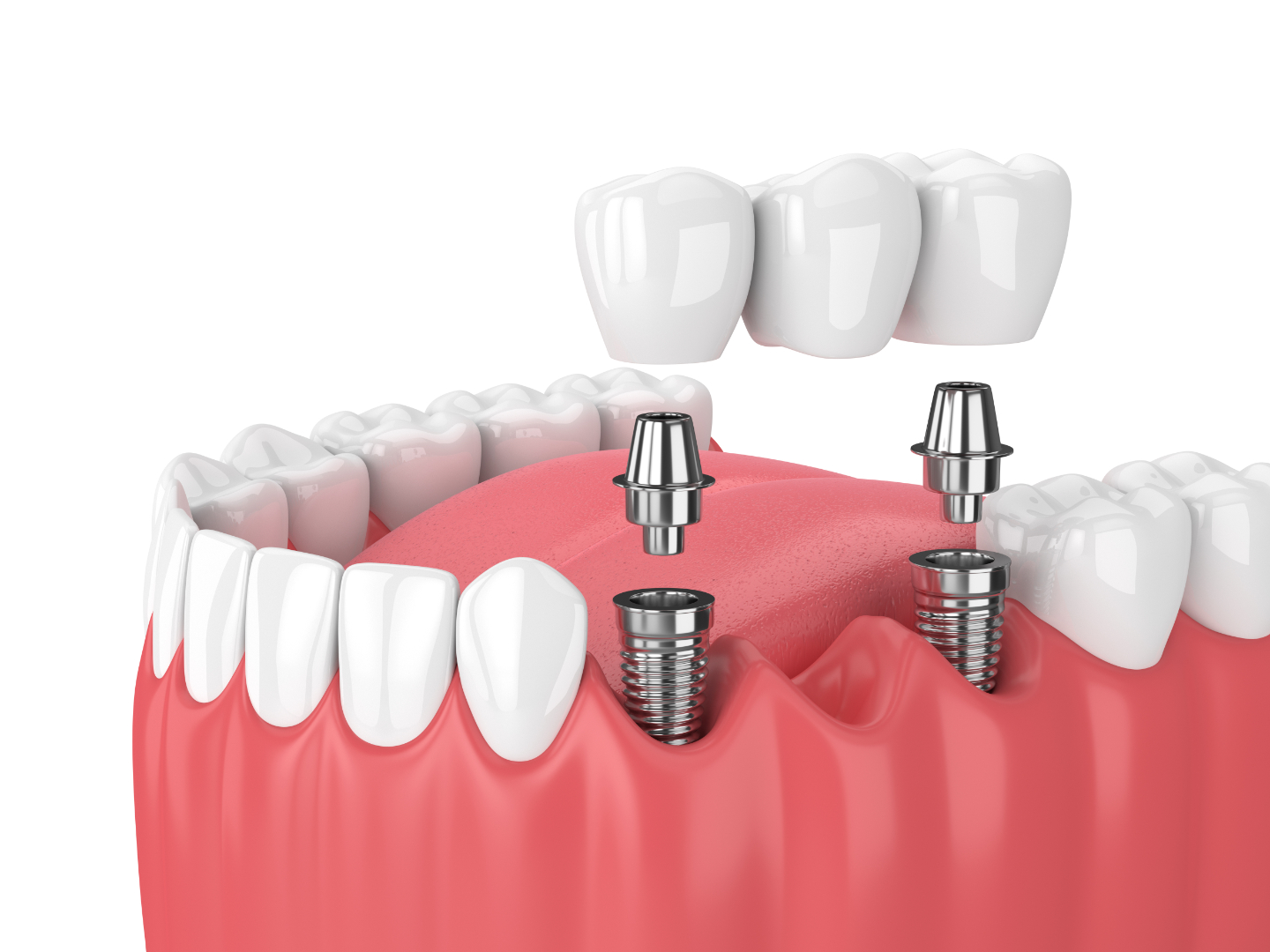
Dental implants are modern tooth replacements that act like natural teeth. They provide a durable base for crowns or dentures and help maintain jawbone health. The following details explain how they work, the materials used, and how implants compare to other options.
How Dental Implants Work
A dental implant is a small titanium post surgically placed into the jawbone. This post acts as an artificial tooth root, fusing with the bone over several months through a process called osseointegration. Once stable, a custom-made crown or bridge attaches to the implant.
This creates a strong, permanent foundation that functions like a natural tooth. Patients regain chewing ability and speech with no slipping, unlike removable dentures. The implant also preserves bone volume by stimulating the jaw, which often shrinks after tooth loss.
Implant Materials and Safety
Most dental implants are made from titanium or titanium alloys, known for being biocompatible and resistant to corrosion. This means the body rarely rejects or reacts negatively to the implant. Some implants use zirconia, a ceramic material, for patients allergic to metals or seeking metal-free options.
Rigorous testing ensures these materials are safe and long-lasting. Dentists carefully plan implant placement to avoid nerve damage or infections. Proper oral hygiene and regular dental visits help maintain implant health and prevent complications.
Comparing Implants to Other Tooth Replacement Options
Dental implants offer several advantages over bridges and dentures. Unlike bridges, implants do not require grinding down adjacent healthy teeth. This preserves more of the natural tooth structure.
Removable dentures can shift, cause sore spots, and reduce bite strength. Implants provide a fixed, stable solution that feels more natural and improves chewing efficiency. They also prevent bone loss, which dentures cannot stop.
The upfront cost and treatment time for implants are higher, but many find the comfort and longevity worth the investment.
Benefits of Dental Implants in Orlando, FL
Dental implants offer practical solutions that improve how people live day to day. They impact oral health, appearance, and everyday comfort in meaningful ways.
Boosting Oral Health
Dental implants replace missing tooth roots with titanium posts, which integrate directly with the jawbone. This process helps maintain bone density, preventing the bone loss often caused by missing teeth.
Unlike bridges, implants do not require altering nearby healthy teeth. This preserves the natural tooth structure, which supports long-term oral health.
Additionally, implants reduce risks of gum disease because they are easier to clean than dentures. Patients can maintain regular brushing and flossing habits without worrying about slippage or food traps.
Restoring Confidence and Natural Appearance
Dental implants mimic the look and feel of natural teeth closely. The crowns are custom-made to match the color, shape, and size of existing teeth, helping smiles look seamless.
This natural appearance boosts confidence, especially in social or professional settings where people often feel self-conscious about gaps or removable appliances.
Unlike dentures, implants stay firmly in place. This security allows people to smile, speak, and laugh without hesitation, enhancing everyday interactions.
Improved Chewing and Comfort
Chewing with dental implants is more efficient and comfortable compared to dentures. Implants provide strong biting force because they anchor directly into the jawbone.
Patients report greater comfort since implants don’t cause gum irritation or sore spots that dentures might produce.
Food choices also expand with implants. People can enjoy a wider variety of healthy foods, which supports overall nutrition and wellbeing.
If someone struggles with removable dentures or wants a longer-lasting tooth replacement, dental implants in Orlando offer a reliable solution to discuss with their dentist.
Who Is a Good Candidate for Dental Implants?
Not everyone qualifies for dental implants right away. Ideal candidates generally need healthy gums, enough bone support, and no conditions that impair healing. Age and jawbone strength are also important factors that dentists in Orlando carefully review.
Evaluating Oral and General Health
Good oral health is the foundation for successful dental implants. Patients should have healthy gums free from active gum disease or infection. If gum disease is present, it must be treated before implants can be placed to avoid complications.
General health also plays a role. Conditions like uncontrolled diabetes or autoimmune disorders can slow healing and increase implant failure risk. Smoking is another factor that reduces success rates because it impairs blood flow to the gums.
Dentists conduct thorough exams and may order X-rays or scans to assess bone quality and identify any issues. Maintaining good oral hygiene habits before and after the procedure greatly improves outcomes.
Age and Jawbone Considerations
While there’s no strict age limit, patients need fully developed jawbones. This usually means dental implants are best for adults rather than teenagers whose bones are still growing.
Bone density and volume are crucial. Adequate bone is required to anchor the implant securely. If bone loss has occurred due to missing teeth or gum disease, bone grafting might be necessary first.
Older adults with stable health and sufficient jawbone can often receive implants successfully. Dentists in Orlando evaluate these factors individually, ensuring treatment plans fit each patient’s unique needs and lifestyle.
The Dental Implant Procedure
Dental implant treatment involves precise planning, skilled surgery, and a healing process that ensures a strong foundation for replacement teeth. Patients can expect a series of carefully timed steps designed to restore both function and appearance.
Initial Consultation and Planning
The process starts with a thorough dental exam, including X-rays and sometimes 3D scans, to assess the jawbone’s density and structure. The dentist discusses the patient’s medical history, oral health, and goals to create a personalized treatment plan.
This plan covers the number of implants needed, type of restorations, and any preparatory procedures like bone grafting. Clear communication helps patients understand every phase and sets realistic expectations for timing and outcomes.
Implant Placement Step-by-Step
First, the implant— a small titanium post—is surgically inserted into the jawbone under local anesthesia. This acts like a tooth root, anchoring the future crown securely.
After placement, the implant site is closed and allowed to heal. The process, known as osseointegration, usually takes 3-6 months as bone fuses tightly to the implant. Once stable, an abutment is attached, connecting the implant to the final tooth restoration.
Recovery Timeline
Initial healing after implant surgery typically spans 1-2 weeks, during which mild swelling and discomfort are common but manageable with prescribed pain relief. Patients are advised to maintain soft foods and avoid strenuous activities.
Complete recovery involves bone integration, which can take several months. Regular check-ups monitor progress, ensuring the implant remains secure before placing the crown. Following care guidelines supports long-term success and comfort.
What to Expect During Recovery
Recovery from dental implants involves managing discomfort and following specific care instructions to support healing. Patients can prepare for this phase by understanding pain control methods and the importance of scheduled follow-up visits.
Pain Management and Healing
After implant surgery, some swelling and mild pain are normal for about a week. Over-the-counter pain relievers like ibuprofen or acetaminophen typically help reduce discomfort. Your dentist might also prescribe stronger pain medication if needed.
Applying ice packs to the cheek during the first 24 hours can minimize swelling. Soft foods and avoiding hot or spicy meals help protect the healing area. Maintaining good oral hygiene—with gentle rinsing but no vigorous brushing near the implant site—is crucial to prevent infection.
Healing times vary, but initial bone integration usually takes 3 to 6 months. Patients should avoid smoking and strenuous activities during this period to support proper recovery and implant stability.
Follow-Up Care and Support
Regular dental visits are essential after the implant procedure. The dentist will monitor how well the implant is integrating with the bone and check for any signs of complications.
Follow-up appointments typically start within a week after surgery, then occur every few months until healing is complete. During these visits, adjustments may be made to ensure comfort and functionality.
Patients should report any unusual pain, persistent swelling, or signs of infection immediately. Clear communication with the dental care team aids in a smooth recovery and helps maintain long-term implant success.
Caring for Your Dental Implants
Proper care is essential to keep dental implants healthy and lasting for years. It involves daily routines and mindful maintenance to prevent complications and support overall oral health.
Oral Hygiene Best Practices
Dental implants need the same careful cleaning as natural teeth, but with some extra attention. Brushing twice a day with a soft-bristle toothbrush helps remove plaque around the implant without damaging the gum tissue. Using non-abrasive toothpaste is key to avoid scratching the implant surface.
Daily flossing or using interdental brushes clears the hard-to-reach areas between implants and natural teeth. Antimicrobial mouth rinses can also reduce bacteria that might lead to inflammation or infection. Regularly cleaning the tongue helps control odor and bacteria buildup.
Patients should avoid smoking and limit sugary foods, as these can harm gum health and compromise the implant’s stability. Consistency in these habits creates a strong foundation for implant longevity.
Long-Term Maintenance Tips
Routine dental check-ups are critical for monitoring implants. Dentists will assess the integration of the implant with the jawbone and check for signs of gum disease or wear.
Professional cleanings every six months prevent tartar buildup around the implant. Sometimes, specialized tools are used to clean implants gently without scratching them.
If any discomfort, swelling, or loosening occurs, patients should contact their dentist promptly. Early intervention often prevents minor issues from becoming major problems.
Wearing a night guard can protect implants from grinding damage, especially for those who clench their teeth during sleep. This step helps maintain the integrity of the implant and surrounding teeth over time.
Choosing a Dental Implant Provider in Orlando
Finding the right dental implant provider means focusing on credentials, experience, and communication. These factors directly affect treatment quality and patient comfort during the entire process.
Qualifications to Look For
Patients should look for providers with specialized training in implant dentistry. Board certification from organizations like the American Board of Oral Implantology (ABOI) or credentials in periodontics or oral surgery often indicate advanced expertise.
Check if the provider has experience placing implants regularly—ideally, they perform this procedure weekly. Access to up-to-date technology, such as 3D imaging and guided implant surgery, improves accuracy and healing.
Lastly, ensure the provider stays current with continuing education. This shows a commitment to learning new techniques that benefit patient outcomes and reduce complications.
Questions to Ask at Your Consultation
During your consultation, ask about the number of dental implants they place annually. This gives insight into their practical experience.
Inquire about the types of implants used and if they handle the entire process, from extraction to restoration. Some providers partner with specialists, which may affect your treatment timeline.
Discuss pain management options and recovery expectations to prepare for the procedure. Also, ask about financing, warranties, and follow-up care plans to understand the full patient experience.
Dental Implant Costs and Financing Options
Dental implant pricing in Orlando can vary widely, but patients typically face a range of fees for the implant, abutment, and crown. Understanding how insurance and payment options work can help make the process more affordable.
Insurance Coverage and Payment Plans
Most dental insurance plans don’t fully cover implants, as they often consider them elective procedures. However, some plans may cover parts of the treatment, like the crown or preparatory work. Patients should check with their provider for specifics.
Many dental offices in Orlando offer payment plans or partner with third-party financiers to spread out costs over time. Options like CareCredit or in-house financing can reduce the upfront financial burden, often with low or no interest based on credit approval. It’s wise to ask about these plans during consultation.
Factors Affecting Price
Several factors influence implant costs. The number of implants needed is a major factor; multiple implants increase the price significantly.
Additional treatments, such as bone grafts or sinus lifts, may be necessary if there’s insufficient jawbone. These procedures raise the total cost but improve the implant’s success.
Material choice also matters—zirconia implants generally cost more than titanium ones. The provider’s experience and the clinic’s location in Orlando can also affect pricing.
| Factor | Impact on Cost |
|---|---|
| Number of implants | More implants increase total |
| Bone grafting | Adds several hundred to thousands of dollars |
| Implant material | Zirconia tends to cost more |
| Provider experience | Experienced specialists may charge more |
| Location | Central Orlando clinics may have higher fees |
Common Concerns and Myths About Dental Implants
Many people wonder if dental implants are truly safe and whether they will last as long as promised. Questions about pain, healing time, and effectiveness often come up. Understanding these facts can help patients feel more comfortable when considering implants.
Addressing Implant Safety Worries
Dental implants are made from titanium, a material that is widely used in medical implants because it integrates well with the bone. This process, called osseointegration, helps the implant become a stable, permanent part of the mouth without causing harm.
Some patients fear infection or rejection, but these risks are low with proper care. Dentists ensure sterile conditions during surgery, and patients receive clear aftercare instructions to minimize complications.
Discomfort during and after the procedure is often less than expected. Local anesthesia and sedation options help keep patients comfortable, and any soreness usually subsides within a few days. Routine follow-ups monitor healing and prevent issues early.
Longevity and Reliability
Dental implants are designed to last many years, often 20 years or more when maintained properly. Unlike dentures or bridges, implants replace the root and crown, which provides more durability and stability for chewing.
Good oral hygiene is essential. Brushing, flossing, and regular dental visits help prevent gum disease and bone loss, which are major threats to implant success.
Some wear and tear is possible, but implants do not decay like natural teeth. This makes them a reliable long-term solution for missing teeth when compared to other options.
If someone experiences implant problems, modern dental care offers effective treatments to correct them, ensuring lasting function and appearance.
Ready to Restore Your Smile?
Dental implants in Orlando offer a reliable way for patients to regain both function and confidence. They mimic natural teeth, making eating, speaking, and smiling feel comfortable again.
The process starts with a thorough consultation to tailor treatment to each person’s needs. Modern technology ensures precise placement, reducing discomfort and promoting faster healing.
Patients often appreciate that implants are a long-term solution. With proper care, implants can last many years, helping to prevent bone loss and maintain facial structure.
Here’s what patients can expect from the journey:
- Clear explanations and personalized care plans
- Use of advanced tools for accuracy and comfort
- Support through every step, from planning to recovery
Feeling unsure? It’s normal to have questions about the procedure or recovery. A friendly dental team in Orlando is ready to provide honest answers and guide patients toward the best options.
If someone is considering dental implants, scheduling a consultation is a practical first step. Friendly professionals are happy to help explore what’s possible for restoring a healthy, natural smile.
Frequently Asked Questions
Understanding costs, choosing the right dentist, and knowing how implants compare to other options are key to feeling confident about dental implants. Some patients also wonder about how implants affect biting and chewing, and whether certain health conditions influence candidacy. There’s even a specific treatment guideline called the “3/2 rule” that can impact planning.
How much do dental implants typically cost, and what options can make them more affordable?
Dental implants in Orlando usually range from $3,000 to $5,000 per tooth. Factors like the need for bone grafting or extractions can increase the cost.
Many offices offer payment plans or financing options. Sometimes dental insurance partially covers implants, especially if they are medically necessary.
How do I choose the right implant dentist, and what should I look for in reviews?
Look for a dentist with specific implant training and experience. Board certifications, continuing education, and positive patient feedback are good signs.
Reviews often mention friendly staff, pain management, clear communication, and successful outcomes. Look for consistency in these areas.
What’s the difference between dental implants and dentures, and which option might fit my needs best?
Dental implants are permanent fixtures anchored into the jawbone. Dentures are removable and rest on the gums.
Implants feel more natural and offer stronger chewing ability. Dentures are usually less expensive but require regular maintenance and may slip.
Can dental implants help if my bite feels off or I’m having trouble chewing comfortably?
Yes, implants can stabilize your bite and improve chewing. They replace missing roots, which helps maintain jaw alignment.
A proper implant can relieve pressure on surrounding teeth and reduce discomfort when eating.
Can someone with an autoimmune condition still be a candidate for dental implants?
Many people with autoimmune conditions can get implants, but careful evaluation is needed. Their immune response may affect healing.
Dentists work closely with patients and medical doctors to ensure safety and successful treatment.
What does the “3/2 rule” mean in dental implants, and how could it affect my treatment plan?
The “3/2 rule” suggests placing three implants to support two teeth in certain cases. This helps evenly distribute chewing forces.
It can reduce the number of implants needed, lowering costs and treatment time while maintaining stability.